The best butcher block table for meat gives you a stable, spacious surface for trimming, slicing, seasoning, and cleanup. The right choice depends on whether you need a commercial-grade prep station, a heavy cutting board, or a customizable countertop slab.
We compare 10 wood and stainless-steel options across size, construction, maintenance, and intended use so you can choose a surface that fits your kitchen, workshop, or outdoor prep area.
Best 10 Butcher Block Table for Meat Picks for 2026
Commercial Maple Workhorse

- NSF-certified commercial prep table
- Hard-rock maple chopping surface
- Adjustable undershelf for storage
Best For: Standing prep in kitchens, bakeries, restaurants, and workshops
Compact Prep Pick
1-Inch Reversible Bamboo Board
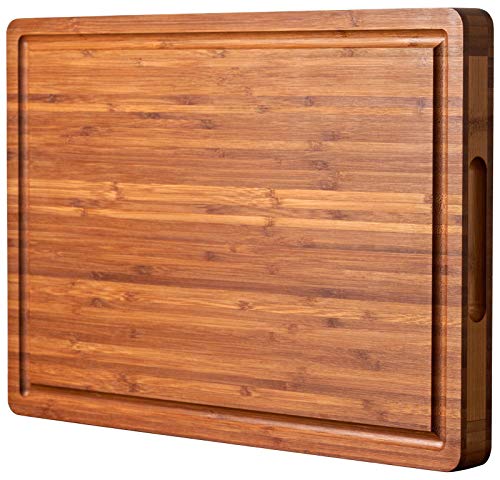
- Reversible grooved and flat sides
- Compact 16-by-11-inch footprint
- Built-in handles and serving use
Best For: Small kitchens and portable meat prep
Sanitary Heavy-Duty Alternative

- NSF/ANSI 2-certified stainless construction
- 24-by-48-inch surface with backsplash
- Adjustable shelf and leveling legs
Best For: Commercial, outdoor, and moisture-prone prep areas
DIY Foundation
Unfinished Birch Butcher Block

- 60-by-25-inch solid birch slab
- 1.5-inch thick and sanded
- Ready for custom trimming and finishing
Best For: Custom kitchen islands, meat-prep surfaces, and workbenches
Prep-and-Serve Pick
Walnut End-Grain Cutting Board

- 17-by-13-inch solid walnut board
- Juice groove holds up to 3 ounces
- Reversible with feet and sorting compartments
Best For: Everyday meat prep and charcuterie serving
Furniture-Ready Option

- 48-by-24-inch one-piece acacia top
- Beveled edge for more comfortable use
- Works with table bases and desk frames
Best For: DIY worktables, islands, and multi-purpose furniture
Best Customizable Pick
Hevea Solid Wood Butcher Block Top

- 1.5-inch solid hevea construction
- Pre-sanded and ready for a custom finish
- 300-pound stated load capacity
Best For: DIY kitchen islands and compact meat-prep surfaces
Best Large Prep Surface
6-Foot Birch Butcher Block Countertop
- Generous 72-by-25-inch work area
- Solid 1.5-inch birch construction
- Smooth-sanded for a food-safe finish
Best For: Large kitchen islands and spacious meat-prep areas
Best Compact Birch Option

- Compact 36-by-25-inch footprint
- Solid birch with a light golden tone
- Easy to cut, seal, and customize
Best For: Small kitchens and light-duty DIY prep or table projects
Commercial Maple Workhorse – 48-Inch Maple Prep Table
For shoppers seeking a butcher block table for meat, this 48-inch AmGood work table offers a genuine North American hard-rock maple top at comfortable commercial table height. Its NSF certification, galvanized steel base, and adjustable undershelf make it suited to demanding indoor prep areas.
Best For: Home kitchens, bakeries, restaurants, and workshops that need a full-size butcher-block prep station with storage.
Pros:
- Knife-friendly hard-rock maple top provides a warm, traditional chopping surface.
- NSF-certified commercial construction is designed for restaurant and food-prep environments.
- Adjustable undershelf adds useful storage beneath the 18-by-48-inch work surface.
- 35-inch height works well for standing prep, baking, and general work.
Cons:
- The 18-inch depth provides less workspace than a 24-inch commercial table.
- Indoor use is specified, so it is not the right choice for year-round outdoor setups.
- The galvanized metal base may feel more utilitarian than a furniture-style kitchen island.
This is the strongest option here for buyers who want an actual butcher-block table rather than a portable cutting board. Choose it when stability, standing height, certification, and under-table storage matter most.
Compact Prep Pick – 1-Inch Reversible Bamboo Board
If you need a butcher block table for meat but have limited room, this compact 16-by-11-inch carbonized bamboo board is an accessible alternative. Its one-inch, three-layer construction is reversible, with a juice groove on one side and a flat surface on the other.
Best For: Small kitchens, occasional meat preparation, serving, and shoppers who need a portable board rather than a freestanding table.
Pros:
- Reversible design offers a grooved side for liquids and a flat side for additional cutting space.
- One-inch, three-layer bamboo construction is designed for durability and resistance to warping.
- Built-in handles make the board easier to move and serve with.
- Compact size also works as a cheese platter or serving tray.
Cons:
- At 16 by 11 inches, it offers much less room than a full-size prep table.
- Handwashing is required; it should not be placed in a dishwasher.
- Bamboo is not the same material as a traditional hard-rock maple butcher-block table.
This board is best viewed as a space-saving meat-prep surface, not a work-height table. It makes sense for apartments, small counters, and multipurpose serving needs where portability matters more than capacity.
Sanitary Heavy-Duty Alternative – 48-Inch Stainless Prep Table
Although it is not a wood butcher block table for meat, this NSF-certified stainless steel prep table is a practical alternative for buyers prioritizing sanitation, durability, and easy cleanup. The 24-by-48-inch surface includes a backsplash, adjustable undershelf, and legs designed to accommodate uneven floors.
Best For: Commercial kitchens, food trucks, garages, outdoor BBQ areas, and prep spaces that favor stainless steel over wood.
Pros:
- NSF/ANSI 2-certified 430 stainless steel construction supports up to 300 pounds evenly distributed.
- Backsplash helps protect walls from spills, while rounded edges improve handling safety.
- Adjustable undershelf provides flexible storage for equipment, bins, or supplies.
- Adjustable legs help maintain stability on uneven floors and support indoor or outdoor use.
Cons:
- The stainless surface does not provide the knife-friendly feel of a wood butcher block.
- It ships unassembled, so setup is required before use.
- Care instructions call for avoiding chlorides and steel wool and wiping the surface dry.
Choose this model when hygiene, moisture resistance, and a larger 24-inch-deep work area outweigh the warmth of wood. It is especially compelling for wet environments and heavy-duty equipment staging.
Large Cutting Board Choice – 1.5-Inch End-Grain Acacia Board
For countertop meat preparation, this 23-by-18-inch end-grain acacia board delivers a broad, knife-friendly surface without requiring a freestanding butcher block table for meat. Its thick construction, deep juice groove, and integrated handles are designed for large cuts, roasts, and serving.
Best For: Home cooks who need a spacious countertop board for meat chopping, carving, and charcuterie presentation.
Pros:
- End-grain construction is designed to reduce blade wear and absorb chopping impact.
- Generous 23-by-18-inch surface accommodates large cuts and less crowded prep.
- Deep juice groove helps contain drippings from meat and fruit.
- Integrated handles make it easier to lift and move from counter to table.
Cons:
- Its 1.5-inch thickness and roughly 5.13-kilogram weight make it less portable than a smaller board.
- Handwashing and upright drying are required.
- Occasional food-grade mineral oil treatment adds maintenance.
This is a strong middle ground between a small cutting board and a permanent work table. It offers substantial meat-prep capacity and serving versatility, provided you have a stable countertop and are willing to maintain the wood.
DIY Foundation – Unfinished Birch Butcher Block
If you need a butcher block table for meat that can be sized and finished for a specific space, this 60-by-25-inch birch slab offers a substantial starting point. Its 1.5-inch solid-wood construction arrives sanded and unfinished, so you can apply a food-safe finish suited to kitchen use or customize it for a broader project.
Best For: DIY kitchen islands, meat-prep surfaces, workbenches, desks, and other custom builds.
Pros:
- Large 60-by-25-inch surface provides generous room for meat preparation.
- Solid birch construction is 1.5 inches thick for a sturdy feel.
- Unfinished, sanded surface can be trimmed, drilled, stained, painted, or sealed.
- Recommended uses include meat, bread, cheese, and charcuterie.
Cons:
- It requires finishing before use if you want a sealed food-preparation surface.
- The slab is a countertop component rather than a complete table with legs or a base.
- Hand-wash care is specified.
This is the most adaptable option of the three, but it also involves the most setup. Choose it when you want a roomy butcher block surface and are comfortable selecting the finish and supporting base yourself.
Prep-and-Serve Pick – Walnut End-Grain Cutting Board
For shoppers who want a compact butcher block table for meat preparation rather than a full-size tabletop, this 17-by-13-inch walnut end-grain board is designed for everyday chopping and serving. It combines a reversible solid-wood surface with a juice groove, non-slip feet, and sorting compartments.
Best For: Home cooks who need a dedicated meat-cutting board that can also serve charcuterie.
Pros:
- End-grain solid wood construction is designed for heavy cutting and knife use.
- Deep juice groove holds up to 3 ounces to help contain liquids.
- Reversible design includes non-slip feet and built-in sorting compartments.
- Includes beeswax paste and an oil brush, and can double as a serving board.
Cons:
- The 17-by-13-inch size offers less workspace than a countertop-size slab.
- Hand-wash care is specified.
- Natural wood may vary in color between batches.
This board is the most immediately practical choice for meat prep at a kitchen counter. Its smaller footprint, juice groove, and serving features make it more convenient for daily cooking than for building a full butcher block table.
Furniture-Ready Option – Acacia Butcher Block Desktop
This 48-by-24-inch acacia top suits shoppers considering a butcher block table for meat as part of a larger kitchen island, worktable, or DIY furniture project. The one-piece solid-wood top has a dense construction and beveled front edge, though the supplied information positions it primarily as a desktop and multi-purpose tabletop rather than a dedicated cutting board.
Best For: Building a freestanding worktable, kitchen island, or multi-purpose table with a solid acacia top.
Pros:
- One-piece solid acacia construction provides a substantial wood surface.
- 48-by-24-inch dimensions offer useful room for work or tabletop applications.
- Beveled front edge is intended to improve arm comfort during extended use.
- Compatible with most desk frames and table bases, according to the supplied notes.
Cons:
- The product is presented mainly as a desktop, not a purpose-built meat-cutting board.
- A base or frame is not included as part of the listed item.
- The supplied recommended uses focus on office, working, and writing applications.
Choose this top when you want a larger solid-wood surface for a custom table and occasional food-related use, rather than a ready-to-use chopping board. Its acacia construction and table-base compatibility make it a flexible furniture component.
Best Customizable Pick – Hevea Solid Wood Butcher Block Top
If you want a butcher block table for meat that can also serve as a countertop or DIY work surface, this 36-by-25-inch hevea slab offers a sturdy starting point. Its 1.5-inch unfinished surface can be sanded, oiled, stained, or sealed to suit your intended use.
Best For: DIY kitchen islands, compact meat-prep surfaces, dining tops, and other indoor or outdoor projects where a customizable solid-wood top is useful.
Pros:
- Solid hevea hardwood with a substantial 1.5-inch thickness
- Pre-sanded unfinished surface allows you to choose the finish
- Stated 300-pound load capacity and resistance to heat, impacts, and scratches
- Protective packaging includes foam and wood reinforcements
Cons:
- Unfinished wood requires sanding and a suitable protective finish before food use
- At 36 inches long, it provides less workspace than a full-size island top
- Natural grain variation means each piece will have a distinct appearance
This is a practical choice when customization matters more than an immediately ready-to-use surface. Finish it appropriately for food preparation, and its thick construction can support a range of kitchen and workshop applications.
Best Large Prep Surface – 6-Foot Birch Butcher Block Countertop
For shoppers needing a spacious butcher block table for meat, this 72-by-25-inch birch countertop provides a generous work area. The 1.5-inch solid birch slab arrives unfinished and smooth-sanded, so you can apply a food-safe finish suited to your preparation routine.
Best For: Large kitchen islands, extended meat-prep areas, laundry counters, DIY workbenches, and other projects needing a six-foot solid-wood surface.
Pros:
- Large 72-by-25-inch format suits standard island and counter projects
- Solid birch construction is described as knife-friendly and durable
- Unfinished surface is ready for mineral oil, beeswax, or food-grade stain
- Also works for desks, vanities, washer/dryer tops, and workbenches
Cons:
- At 65 pounds, this large slab may require two-person handling
- It needs finishing before regular food-preparation use
- The six-foot size may be excessive for compact kitchens
This is the strongest fit of the three for buyers prioritizing workspace. Its length gives you room to separate cutting and staging areas, while the unfinished birch lets you choose the final protection and appearance.
Best Compact Birch Option – 3-Foot Unfinished Birch Slab
This compact butcher block table for meat combines a 36-by-25-inch footprint with solid birch construction. The unfinished, smooth surface can be cut, sealed, or customized for a kitchen island, coffee bar, worktable, or other indoor furniture project.
Best For: Smaller kitchens, compact meat-prep stations, coffee bars, dining tops, desks, and DIY projects where a manageable birch slab is preferred.
Pros:
- Solid birch wood offers a light golden tone and even grain
- Compact 3-foot size fits smaller countertop and table projects
- Can be cut and customized for different furniture applications
- Protective multi-layer packaging is intended to reduce shipping damage
Cons:
- Unfinished wood should be sealed for long-term protection and food use
- Its listed 30-pound maximum weight recommendation limits heavy-duty applications
- Natural grain, color, and mineral-streak variations are expected
Choose this model when you want the warmth of birch without committing to a full-size countertop. It is versatile and easy to adapt, but the stated weight recommendation makes it better suited to light-duty table and prep applications than heavy workbench use.
How We Picked the Best Butcher Block Table for Meat
We evaluated these options by looking at material, working area, thickness, stability, sanitation, and versatility. A Butcher Block Table for Meat should resist movement during cutting, provide enough room for the food and tools you use, and be practical to clean after handling raw meat. We also included compact cutting boards and unfinished slabs because shoppers use “table” to describe several types of meat-prep surfaces.
Commercial-style products received attention for NSF-oriented construction, adjustable storage, backsplashes, and stainless-steel cleanup. Wood options were assessed for species, grain orientation, durability, reversibility, juice management, and whether they can be customized for an island, workbench, or table.
Quick Comparison
| Type | Best for | Main advantage | Watch for |
|---|---|---|---|
| Maple worktable | Heavy kitchen or commercial prep | Stable base and durable hardwood top | Requires regular wood care |
| End-grain cutting board | Chopping and portioning | Knife-friendly, thick construction | Limited working area compared with a table |
| Stainless-steel prep table | High-volume food preparation | Easy sanitation and moisture resistance | Less forgiving for knives |
| Unfinished butcher block slab | DIY islands, desks, and worktops | Customizable dimensions and finish | Needs sealing and proper support |
| Acacia, walnut, or hevea board | Home kitchens and serving | Attractive solid-wood construction | Care requirements vary by species |
Key Buying Factors for a Butcher Block Table for Meat
Material and Grain
Hard maple is a traditional choice for demanding prep, while acacia, walnut, birch, and hevea offer different combinations of appearance, hardness, and price. End-grain boards generally handle repeated chopping well and help reduce visible knife damage. Edge-grain or slab tops can provide more continuous workspace for trimming and assembly.
Size, Thickness, and Stability
Measure the available footprint, including clearance for doors and walkways. A thicker top can feel more solid and withstand refinishing, but it also weighs more. For a table, check leg strength, leveling feet, undershelves, and overall load capacity rather than judging the top alone.
Cleaning and Moisture Protection
Wood should not be left wet or placed in a dishwasher. Use a food-safe finish when appropriate, wash promptly, dry thoroughly, and apply mineral oil or the manufacturer’s recommended conditioner. Stainless steel is usually simpler for frequent wet cleanup, especially when paired with a backsplash.
Juice Grooves and Edge Details
A deep juice groove can contain liquid from roasts and larger cuts, while handles improve portability on smaller boards. These features are useful, but they reduce some usable flat surface, so match them to your prep habits.
Who Should Buy Which Butcher Block Table for Meat?
Choose a commercial maple worktable if you need a dedicated, stable station for frequent meat preparation. Pick a stainless-steel table when sanitation, moisture resistance, and fast cleanup matter most. An end-grain board is better for cooks who already have counter space but want a thick, knife-friendly chopping surface.
For renovation projects or custom furniture, an unfinished birch or hevea countertop offers the flexibility to cut, finish, and support the surface to your specifications. Acacia and walnut boards suit home kitchens where appearance and portability matter alongside everyday cutting performance. Before ordering, confirm dimensions, finish status, care instructions, and whether the product is intended for direct food contact.