Consistent fermentation is easier when dough has a controlled, organized place to rise. The best bread proofing boxes for small bakeries help manage temperature, humidity, spacing, and batch workflow without taking over valuable counter space.
This roundup includes heated foldable proofers, commercial-style containers, stackable pizza dough boxes, and larger options for sourdough production. Use the guide below to match capacity and features to your bakery’s daily output.
Best 10 Bread Proofing Boxes for Small Bakeries Picks for 2026
Best All-in-One Pick
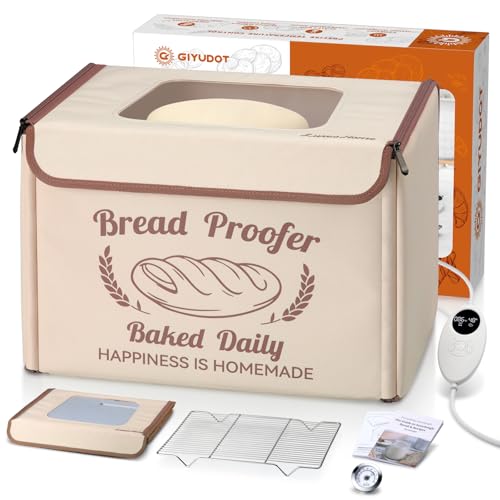
- 50–113°F control with 48-hour timer
- Three heating zones and viewing window
- Foldable 36-liter design with rack and humidor
Best For: Small bakeries needing controlled, versatile fermentation
Best Simple Commercial Tray Set
Commercial Pizza Dough Proofing Box
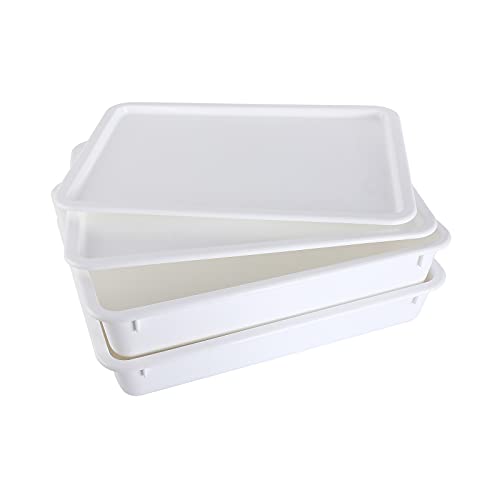
- Two 17.25 × 13-inch covered trays
- BPA-free food-grade plastic
- Stackable design saves storage space
Best For: Covered pizza dough storage in established proofing environments
Best for Bulk Batches
KomBella XL Foldable Bread Proofer

- 23.62-inch-wide interior for larger batches
- 68–122°F control with 48-hour timer
- Three-sided heating and six-layer insulation
Best For: Bulk sourdough, large loaves, and multiple proofing baskets
Best for Refrigerated Dough Balls

- Two 16-liter BPA-free plastic boxes
- Each holds about four to six dough balls
- Transparent, latching, refrigerator-friendly design
Best For: Portioned pizza dough and refrigerated fermentation
Classic Bakery Style
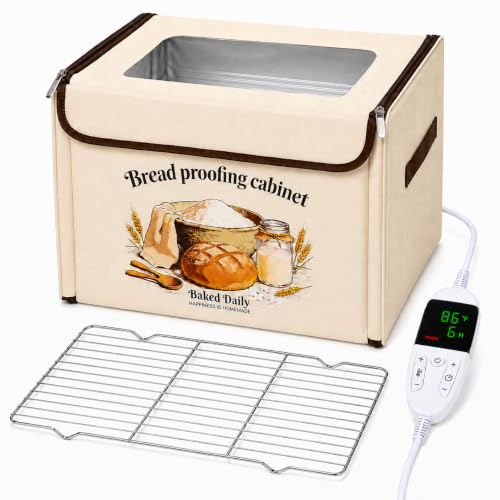
- 12 temperature settings from 86°F to 141°F
- Foldable 36-liter design with viewing window
- 1–12-hour timer and removable metal rack
Best For: Small bakeries needing flexible, space-saving proofing
Stackable Dough Storage
Three-Pack Pizza Proofing Boxes

- Three BPA-free plastic proofing containers
- Vented snap lids help retain moisture
- Stackable and refrigerator/freezer-safe
Best For: Batch pizza dough preparation and cold storage
Precision PID Control
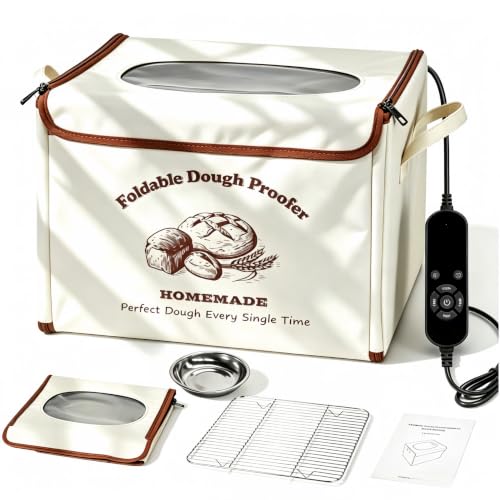
- 70°F–122°F range with up to ±1°F precision
- 1–24-hour timer for flexible fermentation
- Folds to 45mm thick and includes hygrometer
Best For: Precise sourdough and yeast-dough fermentation in compact kitchens
High-Capacity Pick
3-Pack 13L Pizza Dough Proofing Boxes

- Three stackable food-grade plastic boxes
- Each holds up to 6,000 grams of dough
- Vented lids retain moisture while releasing gases
Best For: Small bakeries proofing multiple large batches
Workflow-Friendly Pick
Commercial Stackable Proofing Box

- Fits up to six dough balls
- Includes label sticker and two erasable markers
- Stacks with or without lids
Best For: Organized bakery and food-service batch management
Rise-Tracking Pick
Brod & Taylor 6L Proofing Containers

- Translucent walls show dough expansion
- Two containers hold up to 3,000 grams each
- Dishwasher safe and freezer friendly
Best For: Monitoring controlled fermentation batches
Best All-in-One Pick – GIYUDOT Folding Bread Proofer
For small bakeries seeking bread proofing boxes for small bakeries that offer active temperature management, the GIYUDOT folding proofer combines a 50–113°F range, three heating zones, and a 48-hour timer. Its 16 × 12 × 12-inch interior provides useful room for multiple dough batches while folding for storage.
Best For: Small bakery kitchens needing controlled fermentation for bread, pizza dough, and other projects.
Pros:
- Three heating zones and an NTC sensor support even, stable warming.
- Foldable 36-liter design saves space when not in use.
- Includes a stainless steel rack, humidor, and sourdough recipes.
- Acrylic viewing window lets you monitor dough without opening the box.
Cons:
- Its 113°F maximum is lower than some larger proofers.
- Only one shelf is included.
- The soft insulated construction may be less rigid than a hard-sided cabinet.
This is a versatile choice when temperature precision and compact storage matter. The included accessories and broad fermentation uses make it particularly practical for small operations with varied baking schedules.
Best Simple Commercial Tray Set – Commercial Pizza Dough Proofing Box
For bakeries that prefer straightforward dough handling over powered heating, this commercial-grade set supplies two stackable plastic proofing trays with covers. Each 17.25 × 13 × 3.54-inch box is sized for pizza dough and can help organize batches during proofing.
Best For: Small bakery or pizza operations that need stackable containers for covered dough portions.
Pros:
- Includes two commercial-quality trays with covers.
- BPA-free food-grade plastic is designed for kitchen use.
- Boxes stack when covers are removed to conserve storage space.
- Durable rectangular design is suitable for repeated use.
Cons:
- Provides no heating or temperature control.
- Hand washing is required.
- The 3.54-inch height may limit larger dough formats.
This set is a practical low-maintenance option for temperature-stable kitchens. It works best when the bakery already has a suitable proofing environment and mainly needs covered, stackable dough storage.
Best for Bulk Batches – KomBella XL Foldable Bread Proofer
Among bread proofing boxes for small bakeries, the KomBella XL stands out for batch capacity. Its 23.62 × 15 × 12.2-inch interior is designed to hold multiple starters, one half sheet pan, or two large proofing baskets, while adjustable 68–122°F control and a 48-hour timer support scheduled fermentation.
Best For: Small bakeries handling large loaves, multiple doughs, or bulk sourdough fermentation.
Pros:
- Extra-large interior accommodates multiple dough setups.
- Three-sided heating and an NTC sensor promote consistent warmth.
- Six-layer insulation with honeycomb support helps the unit stay stable.
- Folds flat for easier storage.
Cons:
- Its larger footprint requires more counter space during use.
- Only the proofing box is listed among the included components.
- The 5-pound unit is heavier than smaller foldable proofers.
If production volume is the priority, this model offers substantially more working room than compact proofers. Its broad temperature range and folding construction balance batch capacity with manageable storage.
Best for Refrigerated Dough Balls – Vababa 2-Pack Proofing Boxes
The Vababa set is a simple, unheated option for bakeries that proof or chill individual portions in a refrigerator. Each 16-liter box can hold approximately four to six dough balls, with a transparent BPA-free plastic body and a fastening lid to help contain moisture.
Best For: Small bakery teams portioning pizza or bread dough balls for refrigerator storage and proofing.
Pros:
- Two 16-liter boxes provide separate batch capacity.
- Dimensions fit most household refrigerator shelves.
- Transparent construction makes contents easy to see.
- Clip-on lids are described as leakproof and water resistant.
Cons:
- No heating, timer, or active temperature control is included.
- The single-compartment design is less flexible for separating portions.
- Plastic boxes require refrigerator or room-temperature conditions supplied elsewhere.
This pair makes sense for portion control and cold fermentation rather than automated proofing. It is especially useful for pizza-focused workflows that need covered dough balls ready for service.
Classic Bakery Style – Vintage Folding Proofer
For small bakeries that need flexible bread proofing boxes without a permanent countertop footprint, this soft-sided model combines a vintage bakery appearance with adjustable warmth. It offers 12 temperature settings from 86°F to 141°F, a timer, and a viewing window for monitoring dough without repeatedly opening the box.
Best For: Small bakeries and home-based baking operations that want a foldable proofer for bread dough, sourdough starter, pizza dough, or other temperature-appropriate fermentation projects.
Pros:
- Foldable design stores in a cabinet or drawer when not in use.
- 12 temperature settings span 86°F to 141°F.
- Includes a 1–12-hour timer, viewing window, and removable metal rack.
- 36-liter capacity provides a dedicated fermentation space.
Cons:
- Continuous mode should only be used while actively supervised.
- The soft-sided construction may not suit buyers seeking a rigid commercial-style cabinet.
This is a practical choice when storage flexibility and broad temperature adjustment matter as much as proofing capacity. Its classic cream finish also fits naturally into traditional or farmhouse-style bakery spaces.
Stackable Dough Storage – Three-Pack Pizza Proofing Boxes
These stackable plastic containers are a straightforward option for bread proofing boxes for small bakeries that primarily prepare pizza dough or multiple dough portions at once. Each lidded box helps retain moisture without being airtight, and the three-pack supports organized batch preparation in the refrigerator or freezer.
Best For: Small bakeries, pizza-focused kitchens, and food businesses proofing several dough portions in stackable trays.
Pros:
- Three food-grade, BPA-free plastic boxes support batch preparation.
- Large 17.32-by-12.63-inch tray footprint accommodates multiple dough portions.
- Vented snap-on lids help retain moisture while allowing gases to escape.
- Boxes stack for storage, and the containers are refrigerator- and freezer-safe.
Cons:
- These containers do not provide active temperature control.
- The broad tray shape may require more shelf space than a vertical proofer.
- They are designed primarily for dough containment rather than a dedicated heated proofing environment.
Choose this set if your bakery already has a suitable proofing area and needs durable, covered trays for portioned dough. It is especially useful for organized cold storage and high-volume pizza preparation, but it cannot replace a temperature-controlled proofer.
Precision PID Control – Foldable Dough Proofer
For small bakeries prioritizing repeatable conditions, this foldable dough proofer uses PID temperature control to maintain settings from 70°F to 122°F with stated precision of up to ±1°F. A 1–24-hour timer, hygrometer, stainless steel bowl, and compact folding design make it suited to scheduled proofing and fermentation work.
Best For: Small bakeries and serious home baking setups that need precise, lower-temperature control for sourdough, yeast dough, pizza dough, yogurt, or other fermentation projects.
Pros:
- PID control provides temperature precision up to ±1°F across a 70°F–122°F range.
- 1–24-hour timer supports both short and extended proofing schedules.
- Folds to approximately 45mm thick for compact storage.
- Includes a hygrometer, iron stand, and 304 stainless steel bowl for added setup flexibility.
Cons:
- Its maximum temperature of 122°F is lower than some broader-range proofers.
- The 28-liter capacity is smaller than the 36-liter alternative in this roundup.
- Cleaning requires wiping with a damp cloth; the unit should not be rinsed.
This model is the strongest fit when temperature consistency and long timer settings are more important than maximum capacity. Its fold-flat profile is also valuable for bakeries with limited storage, while overheat protection adds a useful safety feature.
High-Capacity Pick – 3-Pack 13L Pizza Dough Proofing Boxes
For small bakeries needing multiple bread proofing boxes for small bakeries, this three-piece set provides generous capacity, stackable storage, and lids designed to retain moisture while allowing gases to escape. Each food-grade plastic box measures 17.3 by 12.8 by 4.6 inches and can hold up to 6,000 grams of dough.
Best For: Small bakeries and commercial kitchens that proof several large batches or need versatile dough and food-storage containers.
Pros:
- Three stackable containers help maximize prep and storage space.
- Large 13-liter capacity accommodates substantial dough batches.
- Food-grade, non-toxic plastic is suitable for bread and pizza dough.
- Vented lids help retain moisture while allowing gases to escape.
Cons:
- Hand-wash care may require more cleanup time than dishwasher-safe alternatives.
- The large footprint may be less convenient for compact refrigerators or workstations.
This set is a practical choice when capacity and quantity matter most. Its stackable construction suits busy bakery workflows, while the versatile design also supports storage of other foods.
Workflow-Friendly Pick – Commercial Stackable Proofing Box
This commercial food-grade container is a useful option for bread proofing boxes for small bakeries that need organized batch handling. It holds up to six dough balls, stacks with or without its lid, and includes a label sticker plus two erasable markers for tracking dough type, dates, or batches.
Best For: Small bakeries, pizzerias, and food-service kitchens that value FIFO labeling and efficient refrigerator or prep-station organization.
Pros:
- Accommodates up to six dough balls in a 15.67-by-11.69-by-4.09-inch container.
- BPA-free polypropylene is food safe, stain resistant, and built for repeated use.
- Stacks securely with or without lids.
- Non-airtight lid allows slight airflow to support fermentation and reduce condensation.
Cons:
- Only one proofing box is included.
- The lid is intentionally non-airtight, so it may not suit users seeking a sealed container.
Its labeling accessories and flexible stacking design make this a particularly practical bakery-management choice. The non-airtight lid is well suited to fermentation, but buyers should match that airflow profile to their recipes and storage routine.
Rise-Tracking Pick – Brod & Taylor 6L Proofing Containers
For bakers comparing bread proofing boxes for small bakeries, this two-pack emphasizes dough-rise visibility and easy handling. Each 6-liter polypropylene container has translucent walls with volume markings, supports up to 3,000 grams of dough, and is dishwasher safe and freezer friendly.
Best For: Small bakery teams and serious bakers who want to monitor fermentation without opening the container and need containers compatible with refrigerators or proofers.
Pros:
- Translucent walls and volume markings make dough expansion easy to monitor.
- Two containers stack with or without lids and fit the specified folding proofer dimensions.
- Airtight lids help maintain humidity and prevent a dry dough skin.
- Dishwasher-safe, freezer-safe polypropylene resists stains, odors, and residue.
Cons:
- Each container holds up to 3,000 grams, less than the largest box in this roundup.
- The airtight closure may offer less airflow than a vented or non-airtight design.
This set stands out for precise rise monitoring and straightforward cleanup. Its smaller capacity and two-container format are well suited to controlled batches, especially where fermentation timing and repeatability are priorities.
How We Picked the Best Bread Proofing Boxes for Small Bakeries
We focused on the features that matter most in a small production environment: usable capacity, temperature control, timer functionality, food-safe construction, stackability, storage footprint, and ease of cleaning. The selection includes both active proofers that warm dough and passive containers that organize dough during bulk fermentation or final proofing.
Because bakery workflows vary, we also considered whether each design suits pizza dough, sourdough, enriched dough, or mixed production. Foldable models can be valuable when space is limited, while commercial-style boxes may be more practical for repeated daily batches.
Quick Comparison
| Type | Best For | Main Advantage | Potential Trade-Off |
|---|---|---|---|
| Temperature-controlled folding proofer | Consistent bread and sourdough fermentation | Adjustable warmth and compact storage | Requires power and more setup |
| Commercial dough box with lid | Pizza and batch production | Durable, stackable organization | Usually does not actively heat dough |
| Multi-pack proofing containers | Several dough portions at once | Efficient portion control and workflow | Needs shelf or rack space |
| Large foldable proofer | High-volume sourdough batches | More room for large dough loads | Larger footprint when assembled |
Key Buying Factors for Bread Proofing Boxes for Small Bakeries
Capacity and Portion Size
Check both total volume and the number of dough pieces the box can hold without crowding. A container sized for a few pizza balls may be unsuitable for bulk sourdough, while an oversized box can waste shelf space and make temperature management less efficient.
Temperature and Timer Controls
Heated proofers are useful when your bakery needs repeatable fermentation in a cool room. Look for a clearly adjustable temperature range, a timer that matches your process, and controls that are easy to read during busy prep periods. Passive boxes are often sufficient when room conditions are stable.
Materials, Cleaning, and Durability
Food-contact surfaces should be smooth, nonporous, and easy to wipe down. Removable racks, snug lids, and sturdy hinges can simplify sanitation. If containers will be stacked frequently, prioritize rigid construction and lids that stay secure during handling.
Footprint and Storage
Measure your worktable, proofing rack, and storage area before buying. Folding units are useful for bakeries with limited space, while stackable boxes make better use of vertical storage. Also consider whether the assembled height fits beneath shelves or inside a fermentation cabinet.
Who Should Buy Which Bread Proofing Boxes for Small Bakeries?
Choose a temperature-controlled folding proofer if fermentation consistency is your top priority or your workspace temperature changes throughout the day. It is especially useful for sourdough and bread batches that need repeatable conditions.
Choose stackable commercial-style boxes or multi-packs if you mainly produce pizza dough, portion dough in advance, or need a streamlined system for several batches. Their simple design can be easier to clean and scale.
Choose a larger foldable model if you regularly handle substantial sourdough quantities but cannot dedicate permanent space to a proofing cabinet. For smaller batches or flexible home-to-commercial workflows, a compact container or two-pack may provide enough capacity without unnecessary bulk.